Ever savored a dish that felt elevated to an entirely new dimension by the perfect sip of beer? Or perhaps you've experienced the opposite – a glorious plate diminished by a mismatched brew? The magic, or misfortune, lies in the art of Brewery & Food Pairings. It's more than just choosing a beverage; it's a culinary dance, a deliberate act of uniting flavors, textures, and aromas to create an experience greater than the sum of its parts. Forget the old rules of wine-only pairings; beer, with its incredible diversity, is a versatile and exciting partner at the table, capable of transforming a simple meal into an unforgettable feast.
In this guide, we'll strip away the snobbery and equip you with the insights and confidence to unlock truly sublime pairings. Whether you're a seasoned beer aficionado or just beginning your flavor journey, get ready to discover how to harmonize hops with honey, malt with meat, and acidity with indulgence.
At a Glance: Your Pairing Playbook
- Elevate the Experience: Great pairings enhance both the food and the beer, making each shine brighter.
- The 3 C's Rule: Remember to Complement, Contrast, or Cut to achieve flavor harmony.
- Match Intensity: Light beers with delicate dishes; bold beers with robust fare.
- Don't Forget Texture: Carbonation acts as a palate cleanser, bitterness balances sweetness.
- Engage All Senses: Slow down, savor, and pay attention to how flavors evolve.
- Experiment Fearlessly: Trust your palate and break traditional rules if it tastes good to you!
- Consider Context: Seasonality, atmosphere, and even regionality play a role.
The Philosophy of the Perfect Sip and Bite
At its heart, beer pairing is about synergy. It's about finding that sweet spot where a beer’s characteristics – its malty sweetness, hoppy bitterness, fruity esters, roasty notes, or crisp acidity – interact with a dish’s flavors and textures to create a harmonious whole. We’re aiming for a culinary conversation, not a shouting match.
Think of it this way: a well-chosen beer can act as a bridge, connecting disparate flavors; a spotlight, highlighting subtle notes; or even a palate reset, preparing you for the next delightful bite. The goal is never for the beer or the food to overpower the other, but rather to create an interplay that excites and satisfies your palate.
The Big Three: Understanding the 3 C's of Pairing
To master this art, professional palates often rely on a simple yet powerful framework: the 3 C's. These principles guide your decisions, whether you're crafting a complex meal or just choosing a snack.
- Complement: This is about finding common ground. You match similar characteristics, creating a seamless, harmonious experience. Think of a malty brown ale alongside roast pork, where the beer's sweetness and nutty notes echo and enhance the pork's savory richness. It's like two instruments playing the same beautiful melody.
- Contrast: Sometimes, opposites attract. Contrasting flavors create excitement and highlight unique elements in both the beer and the food. A classic example is a rich, roasty stout cutting through the briny freshness of oysters, or a super-hoppy IPA providing a zesty counterpoint to a fiery curry. Here, differences create a delightful tension.
- Cut: This principle focuses on how beer can literally "cut" through richness or fat, cleansing your palate and preparing it for the next bite. Carbonation, bitterness, or acidity are your best tools here. Imagine a crisp, effervescent pilsner cutting through the greasy goodness of a plate of fried fish, leaving your mouth refreshed and ready for more. IPAs, with their bold bitterness and carbonation, are champions at cutting through rich, fried foods.
Mindful Pairing: Engaging All Your Senses
Beyond the technicalities, great pairing is a mindful experience. It’s about slowing down and truly engaging with what you’re eating and drinking.
- Engage Your Senses: Before you even taste, take a moment. Smell the beer, note its body, observe its carbonation. Then, smell the food. How do they interact? When you taste, let the flavors mingle. Notice how they evolve, how new notes emerge, and how the texture changes.
- Slow Down: Don’t rush. Savor each bite, each sip. This allows your palate to truly appreciate the nuances and the full sensory experience.
- Context and Atmosphere: Consider the environment. Is it a summer barbecue or a cozy winter dinner? A light, refreshing wheat beer might be perfect for a warm afternoon salad, while a rich stout feels just right with a hearty stew on a cold evening. Even regionality plays a role; a local brew often pairs beautifully with local cuisine. When you're looking for places that understand this synergy, some of the Great food at Asheville breweries often excel at crafting menus designed with their beers in mind.
Deciphering Beer Styles: Your Pairing Power Tool
The vast world of beer offers an astounding array of flavors, each with unique pairing potential. Understanding these characteristics is your key to unlocking delicious combinations.
Light & Crisp: The Refreshers
These beers are often low in alcohol, highly carbonated, and boast clean, refreshing profiles.
- Light Lagers (Pilsners, American Lagers): Think crisp, clean, sometimes with a gentle hop bitterness.
- Pairings: Their versatility makes them perfect for lighter foods like garden salads, delicate grilled seafood (like a simple white fish), and salty snacks like peanuts or pretzels. They cleanse the palate without overwhelming.
- Wheat Beers (Hefeweizens, Witbiers): Light-bodied, often cloudy, with notes of citrus, banana, clove, and sometimes subtle spices.
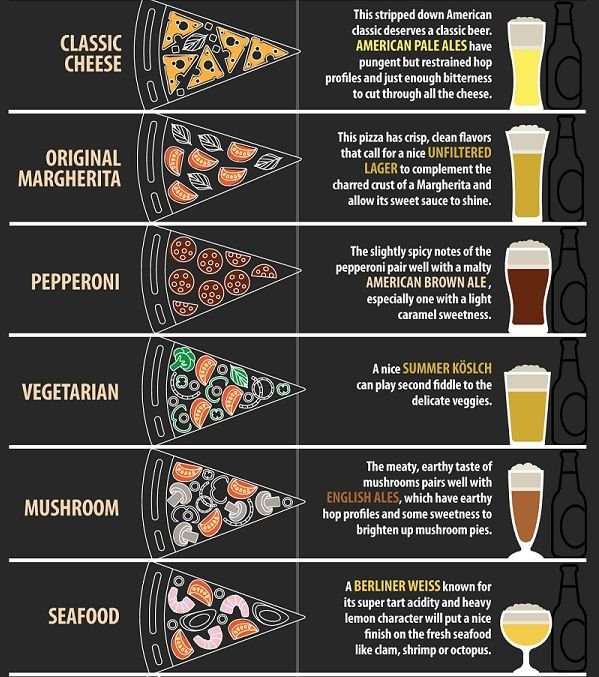
- Pairings: These refreshing brews shine with lighter fare such as sushi and sashimi, shellfish (shrimp, crab, mussels), and soft cheeses like Brie or chèvre. Their crispness provides a lovely contrast to cheesy pizza, and their fruitiness can dance with fruit tarts.
Hoppy & Bold: The Flavor Bombs
Defined by their hop character, these beers can range from moderately bitter to explosively aromatic.
- Pale Ales: Balanced hop bitterness with a malty backbone, often featuring citrus, pine, or floral notes.
- Pairings: Their hoppy punch and carbonation cut through richness, making them ideal companions for fatty, savory foods like burgers, bratwurst, or even roast chicken.
- India Pale Ales (IPAs): Expect assertive hop bitterness and intense aromas—ranging from grapefruit and pine to tropical fruit and dankness.
- Pairings: IPAs are champions with spicy foods (Indian curries, Mexican dishes) where their bitterness contrasts the heat, or with rich, grilled meats and robust burgers. They also stand up well to strong cheeses like aged cheddar or pungent blue cheese, and their carbonation makes them fantastic with fried foods, effectively cutting through the grease. For those exploring the vibrant scene in places like Asheville, you'll find many Ashevilles Top Brewery Restaurants offer excellent IPA and food pairings, pushing the boundaries of traditional dining.
Malty & Balanced: The Crowd Pleasers
These styles lean into the sweet, bready, or caramel notes derived from malt, offering a more rounded profile.
- Brown Ales: Nutty, caramel, sometimes chocolatey, with a moderate body and subdued hop presence.
- Pairings: They cozy up beautifully with cookies, roasted pork, and heartier fare that echoes their sweet, malty core.
- Amber Ales: A harmonious balance of sweet caramel maltiness and a noticeable, but not aggressive, hop character.
- Pairings: Their sweet and smoky notes make them a natural fit for barbecue dishes, grilled meats, and even simple comfort foods like roasted chicken or French fries.
- Saison: Often called "farmhouse ales," these are typically fruity, spicy (peppery), and dry, with high carbonation.
- Pairings: Their effervescence and complex spice character make them surprisingly versatile, particularly excellent with simple grilled chicken or a wide array of charcuterie.
- Oktoberfest Beer: Known for its smooth, malty sweetness, often with a toasted bread character.
- Pairings: A match made in heaven for seasoned sausages like bratwurst, roasted root vegetables, and traditional German cuisine.
Dark & Roasty: The Deep & Delicious
These beers showcase the rich, often intense flavors derived from roasted malts.
- Porters: Dark, often with notes of coffee, chocolate, or caramel, and a smoother, less intense roast than stouts.
- Pairings: Porters are fantastic with steak, where their roasted malt notes echo the char of the grill. They also complement caramel cheesecake or aged cheddar, picking up on sweet and savory depths.
- Stouts: Rich, intense, often very dark, with prominent flavors of roasted coffee, dark chocolate, and sometimes oatmeal or lactose for creaminess.
- Pairings: The ultimate partner for chocolate desserts like chocolate cake (especially oatmeal stouts!), rich BBQ meats, and aged cheddar. Dry stouts, with their clean finish and roasted character, are legendary with briny oysters.
- Dark Lagers: While still lagers, these have a darker malt profile, offering notes of caramel and toasted bread, with a clean finish.
- Pairings: Their robust yet clean nature makes them a good complement for bold flavors, such as spicy cheeses.
- Barleywine: A big, warming, often sweet beer with high alcohol content and complex dried fruit, caramel, and toffee notes.
- Pairings: A perfect fireside companion for rich winter stews or very sweet, decadent desserts.
Tart & Funky: The Adventurous Ones
These styles introduce acidity, sourness, and often a touch of funk from wild yeasts or bacteria.
- Sour Beers (Berliner Weisse, Gose, Fruit Lambics, Wild Ales): Defined by their tart, acidic profiles, often with fruit additions.
- Pairings: Their acidity makes them incredible palate cleansers and flavor enhancers. Think ceviche and citrus-marinated seafood, pickled vegetables, goat cheese, and tart fruit desserts like berry cobbler (especially fruit lambics).
- Fruit Beers: Beers brewed with fruit, ranging from subtly fruity to intensely juicy.
- Pairings: Naturally complement fruit-based desserts, but also surprisingly good with creamy textures like cheesecake or soft-ripened cheeses such as Brie, where the fruit provides a sweet counterpoint.
Specialty & Unique: Expanding the Horizon
- Belgian Tripel: Complex, spicy, often phenolic (clove-like), fruity, and moderately sweet, with high alcohol.
- Pairings: Its complexity allows it to stand up to nutty, slightly sweet cheeses like Gruyère, or rich, yeasty desserts such as bread pudding.
- Smoked Beer (Rauchbier): Characterized by a distinct smoky aroma and flavor, often reminiscent of bacon or barbecue.
- Pairings: Naturally reinforces and enhances smoky flavors in barbecued meats and other grilled dishes.
Mastering Food Categories: Specific Pairings for Every Plate
Now that we've explored beer styles, let's drill down into specific food categories.
The Cheese Course: From Mild to Mighty
The rule of thumb: match the intensity of the beer to the intensity of the cheese.
- Soft, Fresh Cheeses (Chèvre, Feta): Pair with light, crisp, or tart beers like Hefeweizen or a Sour Beer.
- Creamy, Bloomy-Rind Cheeses (Brie, Camembert): Complement with a Fruit Beer (fruitiness cuts richness), a Witbier, or a light Saison.
- Semi-Hard, Nutty Cheeses (Gruyère, Swiss): Stand up to the complexity of a Belgian Tripel or a malty Brown Ale.
- Hard, Aged Cheeses (Aged Cheddar, Gouda, Parmesan): Call for robust partners like a Stout, Porter, or a rich Barleywine. Their intensity matches, and the beer's roasted/caramel notes highlight the cheese's nutty depth.
- Blue Cheeses (Roquefort, Gorgonzola): The pungent intensity demands a bold beer that can either complement or contrast. An IPA with its bitterness, or a sweet Stout, works wonders.
Meats & Proteins: The Heart of the Meal
The body and flavor intensity of the beer should generally match the richness and cooking method of the meat.
- White Fish (Cod, Tilapia): Light and flaky; a crisp Pilsner or Light Lager is ideal.
- Shellfish (Shrimp, Crab, Mussels, Scallops): Their delicate sweetness pairs beautifully with the citrus and spice notes of a Wheat Beer or a Gose.
- Oysters: A classic pairing with a dry, roasty Stout (the roast notes contrast the brine) or a clean Pilsner.
- Grilled Chicken/Pork Tenderloin: Versatile, good with a Saison (peppery notes) or an Amber Ale (malty sweetness).
- Roasted Pork/Bratwurst: Richer meats that benefit from a malty beer like a Brown Ale or an Oktoberfest.
- Burgers: A classic for a reason! An IPA (cuts fat, balances richness) or a Pale Ale are fantastic.
- Steak/Beef BBQ: Rich, savory, charred flavors. A robust Porter, Stout, or even a Smoked Beer will stand up to and enhance these dishes.
Decadent Desserts: Sweet Endings
The golden rule for desserts: the beer should be as sweet as, or sweeter than, the dessert. If the beer is less sweet, it will taste bitter.
- Chocolate Cake/Brownies: The classic pairing is a rich Stout, especially one with coffee or chocolate notes, or an Oatmeal Stout.
- Caramel Cheesecake/Pecan Pie: A malty Porter or a warming Barleywine will echo and enhance the caramel and nutty flavors.
- Fruit Tarts/Berry Cobbler: A light, fruity Wheat Beer or a Fruit Lambic will complement the fresh fruit.
- Bread Pudding: A complex, slightly sweet Belgian Tripel or Belgian Strong Dark Ale can handle the richness and spice.
Savory Snacks: Quick Bites, Great Brews
Even your everyday snacks can be elevated.
- Salted Nuts: A light, clean Lager is perfect.
- Pretzels: Their saltiness begs for the crispness and moderate bitterness of a Hoppy Lager or a session IPA.
- Spicy Cheese Dips/Nachos: A darker, slightly sweeter Dark Lager or a crisp IPA can balance the heat.
- Fried Foods (Onion Rings, Fries): The carbonation and bitterness of an IPA or Pale Ale are excellent for cutting through the richness. Seeking out Best gastropubs Asheville is a great way to find places that have already mastered these kinds of comforting food and beer combinations.
Your Four-Step Beer Pairing Framework
Ready to put it all into practice? Use this simple framework to guide your pairing decisions.
1. Assess Beer and Dish Intensity
Take stock of both players. Is the food delicate (fish, salad) or robust (BBQ ribs, rich stew)? Is the beer light-bodied and subtle (pilsner) or full-bodied and assertive (imperial stout)? Matching weight and intensity is crucial for balance. A light lager will disappear against a steak, and a stout will crush a delicate salad.
2. Identify Dominant Flavors and Aromas
What are the starring roles?
- For the beer: Is it hoppy, malty, roasted, fruity, tart, spicy, yeasty?
- For the food: Is it sweet, salty, sour, bitter, umami, spicy, rich, lean, smoky, herbaceous?
Dig deep here. A "burger" isn't just a burger—is it topped with blue cheese and caramelized onions, or just lettuce and tomato? These details matter.
3. Choose Your Pairing Strategy: Complement, Contrast, or Cut
Based on your assessment of intensity and dominant flavors, decide which of the 3 C's you want to employ:
- Complement: Seek out shared flavor profiles (e.g., roasted malt in beer with roasted meats).
- Contrast: Look for exciting opposites (e.g., spicy food with a sweet or citrusy beer).
- Cut: Need to refresh the palate? Opt for carbonation, bitterness, or acidity (e.g., IPA with fried food).
4. Test, Taste, and Adjust
This is the fun part! Take a bite of the food, then a sip of the beer. How do they interact?
- Does one overpower the other?
- Do new, delightful flavors emerge?
- Does the beer cleanse your palate effectively?
- Does the food taste better, or worse?
Don't be afraid to try different beers with the same dish, or different dishes with the same beer. This is where experimentation leads to revelation!
Crafting Your Own Pairings: Tips from the Pros
The best pairings often come from curiosity and a willingness to explore. Here’s how you can become a pairing pro in your own kitchen or at your favorite brewpub.
- Trust Your Palate: There are no absolute "wrong" answers if you genuinely enjoy the combination. Your personal preferences are valid. What tastes amazing to you is a success!
- Experiment with Contrasting Flavors: While complementing is safe, contrasting often yields the most exciting and memorable results. Don’t be afraid to try something unexpected.
- Start with Small Bites: When experimenting, begin with small portions of food and a tasting flight of beers. This minimizes waste and allows you to quickly assess combinations.
- Keep Notes: Jot down what worked, what didn't, and why. This builds your knowledge base and helps you refine your palate over time.
- Don't Be Afraid to Try Unconventional Combinations: Some of the most beloved pairings (stout and oysters, anyone?) were once considered radical.
- Focus on Local Brews: Many local breweries design their beers to complement the cuisine of their region. Ask for recommendations.
- Share the Experience: Pairing is inherently social. Share your discoveries with friends, discuss what you’re tasting, and learn from each other.
Common Pairing Pitfalls & Misconceptions
Even with all this knowledge, a few common traps can trip up even experienced foodies.
"The Beer Is Too Strong/Too Light": This isn't just about alcohol content, but the overall flavor intensity. A delicate dish will be obliterated by an Imperial Stout, while a subtle Lager will vanish beside a fiery curry. Always aim for balanced intensity.
"Sweetness Overload/Underwhelm": When pairing with desserts, remember that the beer needs to be at least as sweet as the food. If your beer is less sweet, it will taste thin and bitter against a sugary dessert. Conversely, two overly sweet components can be cloying.
"Ignoring Texture": It's not just flavor! Think about the mouthfeel. A rich, fatty dish benefits from the carbonation or bitterness that "cuts" through the fat, refreshing your palate. A creamy soup might be best with a beer that doesn't add more creaminess.
"One-Size-Fits-All Mentality": There’s no single "best beer for steak" or "best beer for fish." The preparation, sauces, and accompanying ingredients dramatically alter the pairing potential. A grilled salmon with lemon is very different from a salmon with a rich cream sauce.
"Only Thinking About the Main Ingredient": Don't just pair with the protein. Consider the strongest flavors in the dish—is it a spicy sauce? A rich marinade? A vibrant herb? These elements often dictate the best beer choice.
Your Next Sip Awaits
The world of Brewery & Food Pairings is an endlessly fascinating journey, a delicious exploration that rewards curiosity and a keen palate. You now have the principles, the specific examples, and the framework to confidently embark on your own pairing adventures. From the crisp cleansing of a Pilsner with seafood to the decadent embrace of a Stout with chocolate, every sip and bite holds the potential for a new discovery.
So, next time you’re planning a meal or simply grabbing a snack, pause for a moment. Think about the flavors, the textures, and the story you want to tell with your food and your beer. Go forth, experiment, trust your taste buds, and enjoy the delicious harmony that awaits you. Cheers to the art of the perfect match!